Recessed vs. Surface‑Mount Medicine Cabinets: 14 Installation Mistakes That Wreck the Finish
Recessed vs. Surface‑Mount Medicine Cabinets: 14 Installation Mistakes That Wreck the Finish
A medicine cabinet is one of the few fixtures you touch every single morning. Get the installation wrong and you'll see it — and feel it — for years: a crooked door, a mirror that won't close flush, or a cabinet fighting the plumbing behind your wall. Here's exactly where recessed and surface-mount installs go sideways, and how to get a magazine-flush finish the first time.
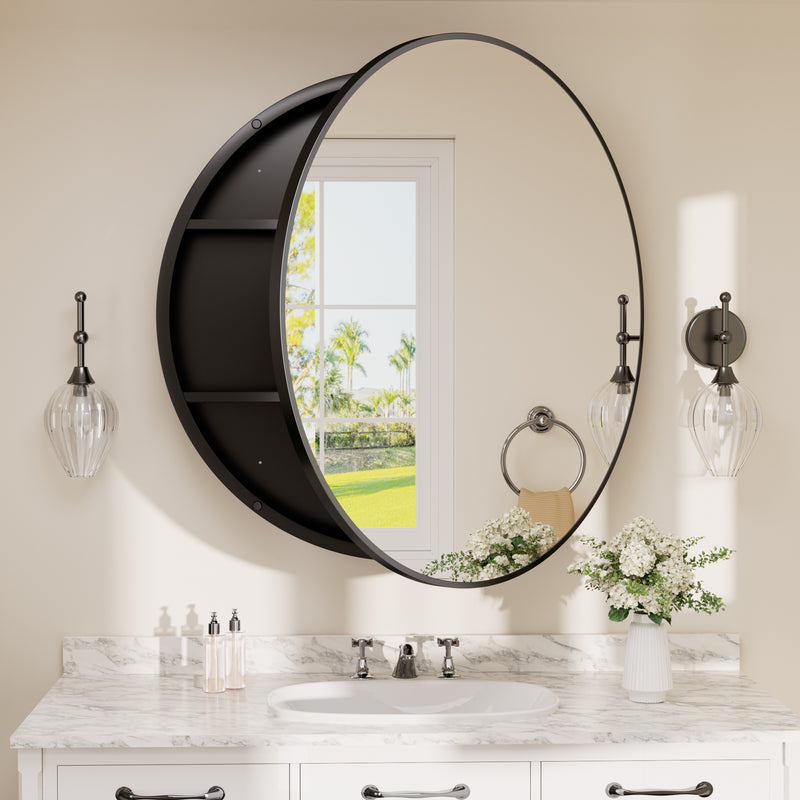
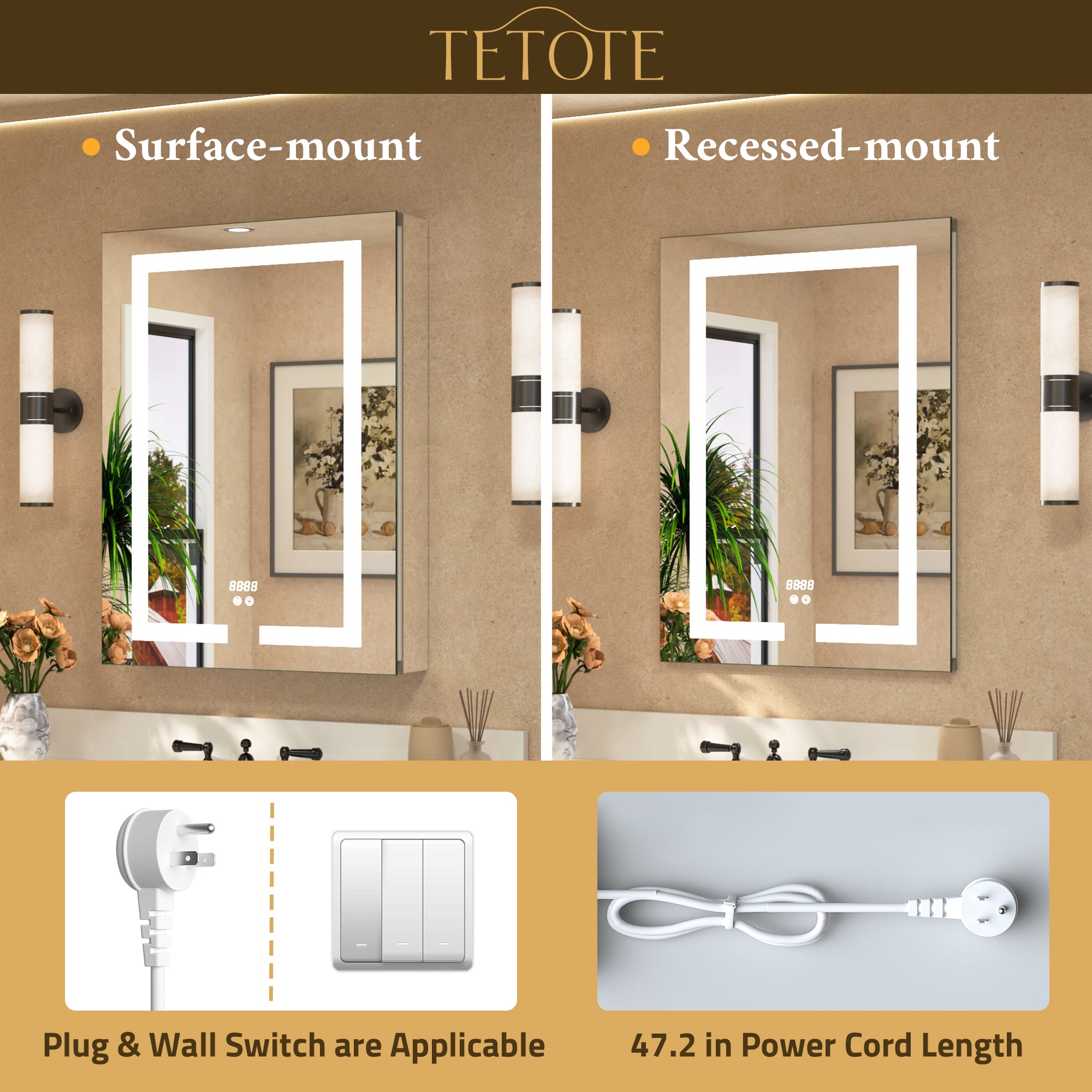 A properly seated recessed install — flush, level, gap-free
Recessed or Surface-Mount — Know Which Rules Apply
The two mounting styles solve completely different problems, and most installation mistakes happen because someone follows the wrong playbook. A recessed cabinet lives inside your wall cavity; a surface-mount cabinet lives on top of your drywall. Mixing up the prep work is mistake #1, before you've even touched a screw.
🧱 Recessed (In-Wall)
- Sits flush with the wall for a built-in, seamless look
- Requires cutting drywall and working around studs
- Best planned during a remodel, before walls are finished
📐 Surface-Mount (On-Wall)
- Mounts directly onto finished drywall, no cutting needed
- Faster install, ideal for renters and quick upgrades
- Projects outward, so depth and clearance planning matters
Same Bathroom, Two Completely Different Cavities
Recessed
Box sits between wall studs — flush face, hidden frameSurface-Mount
Box hangs off the drywall face — full depth stays visible7 Recessed Mistakes That Cost the Most to Fix
Because a recessed cabinet is buried inside the wall, mistakes here are the expensive kind — the ones you only discover after the drywall dust has settled.
Cutting before scanning the wall
Skipping a stud finder pass (studs, pipes, and wiring) before cutting is the #1 cause of nicked plumbing and electrical shorts behind the wall.
Trusting the box, not the tape measure
Rough-opening sizes vary by a half-inch between brands. Cutting to the printed box dimension instead of the manufacturer's rough-opening spec leaves gaps or a cabinet that won't seat.
Ignoring wall depth (2x4 vs. 2x6)
Standard 2x4 walls give roughly 3.5" of depth; some cabinets need more. Buying a deep-body cabinet for a shallow wall means it either won't fit or bulges the drywall on the opposite side.
Skipping fire-blocking and cavity rules
Some jurisdictions require fire blocking or a minimum stud spacing between recessed boxes on shared cavities — especially for back-to-back installs on either side of a wall.
Not leveling before securing the frame
Framing is rarely perfectly plumb. Fastening the box without shimming to level first telegraphs a crooked door line that's obvious the moment light hits the mirror.
No moisture barrier around the frame
A recessed box breaks the wall's vapor barrier. Skipping sealant or a moisture-rated liner around the frame invites condensation and mold inside the cavity over time.
Overdriving the mounting screws
Recessed frames are thinner than surface bodies. Overtightening warps the metal edge, which keeps the mirror door from closing flush — a mistake that shows up months later as a whistling draft.
7 Surface-Mount Mistakes That Show Up Immediately
Surface-mount cabinets skip the demolition, but they put every mistake in plain sight — usually within the first week of use.
Anchoring into drywall alone
A loaded cabinet with a mirror door and glass shelves is heavy. Drywall anchors without hitting at least one stud (or a full mounting rail across two studs) is the top cause of a cabinet pulling loose.
Mounting to "look right," not to eye level
Centering on the vanity instead of on the tallest regular user's eye line means someone's forehead — or chin — ends up in the mirror every morning.
Skipping pilot holes
Driving screws directly into a thin metal or MDF backing without a pilot hole cracks the mounting flange — a quiet failure that only becomes obvious when the cabinet shifts under weight.
Ignoring door-swing clearance
A cabinet mounted too close to a shower door, towel bar, or adjacent wall means the mirrored door can't fully open — a measurement almost nobody checks before drilling.
Forgetting outlet placement for LED models
Lighted, anti-fog, or USB-equipped cabinets need power routed to the exact mounting spot. Hanging the unit first and figuring out the outlet later usually means an ugly surface cord.
Mounting over a heat source
Placing a cabinet directly above a radiator, heated towel bar, or vent exposes the backing and any adhesive mirror trim to warping heat cycles.
Eyeballing level instead of measuring twice
Because there's no wall cavity to hide behind, an unlevel surface cabinet is visible from across the room — check with a level at both top corners, not just one.
3 Mistakes Every Installer Makes At Least Once
Skipping the manual for "universal" hardware
Included mounting hardware is often generic. If your wall type, tile thickness, or cabinet weight differs from standard drywall, swap in the correct anchors before you start — not after something falls.
Wiring lighted mirrors without checking local code
Hardwired LED or defogger models may require a licensed electrician and a GFCI-protected line in bathrooms. Plug-in models sidestep this, but confirm which type you're buying before install day.
Not test-fitting the door before final fasteners
Whether recessed or surface-mount, close and open the door fully before driving the last screw. Small frame twists are easy to correct now and nearly impossible to fix once fully fastened.
What You'll Actually Need
Frequently Asked Questions
Is a recessed or surface-mount medicine cabinet easier to install?
Surface-mount is easier for most homeowners since it skips cutting into drywall and rerouting anything hidden in the wall. Recessed installs deliver a flush, built-in look but usually take longer and are simplest during a full remodel, before walls are finished.
Can a surface-mount cabinet be converted to recessed later?
Only if the model is specifically designed as dual-mount (rated for both installation types). A true surface-only body typically lacks the depth and frame needed to sit inside a wall cavity.
What's the biggest cause of a crooked medicine cabinet?
Fastening the frame before double-checking level at both top corners. Framing lumber is rarely perfectly plumb, so a single level check at the center can miss a tilt that's obvious once the mirror is hung.
Do LED or anti-fog medicine cabinets need an electrician?
Hardwired models generally do, especially in bathrooms where GFCI protection is required by code. Plug-in LED models can typically be installed without an electrician — check the product's power specs before buying if you want to avoid extra wiring work.
How much wall depth do I need for a recessed cabinet?
Most recessed cabinets are designed for a standard 2x4 wall cavity (roughly 3.5" of usable depth). Always confirm the manufacturer's minimum depth requirement against your actual wall construction before cutting.
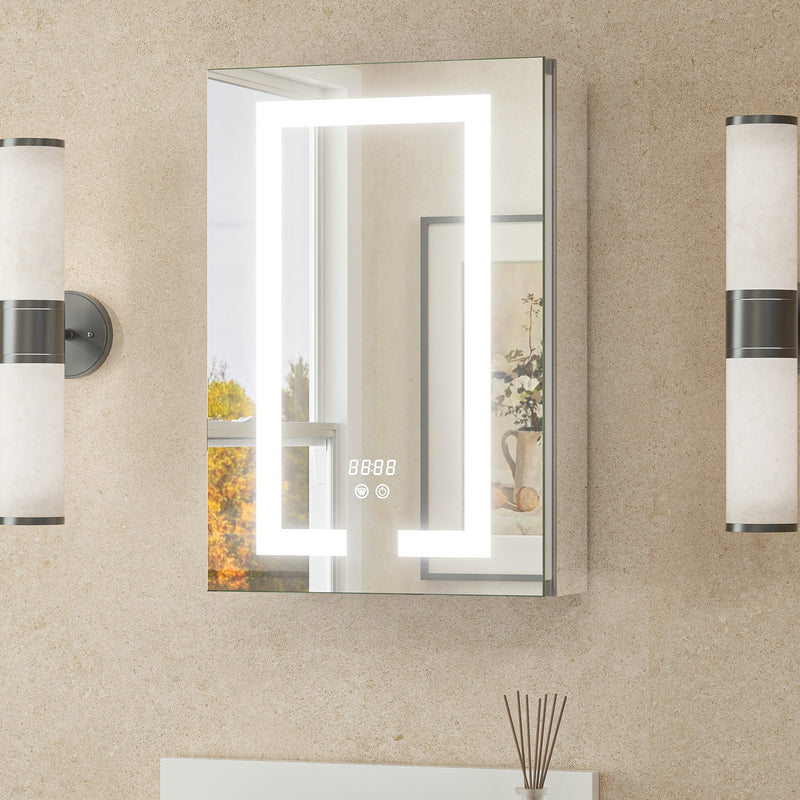
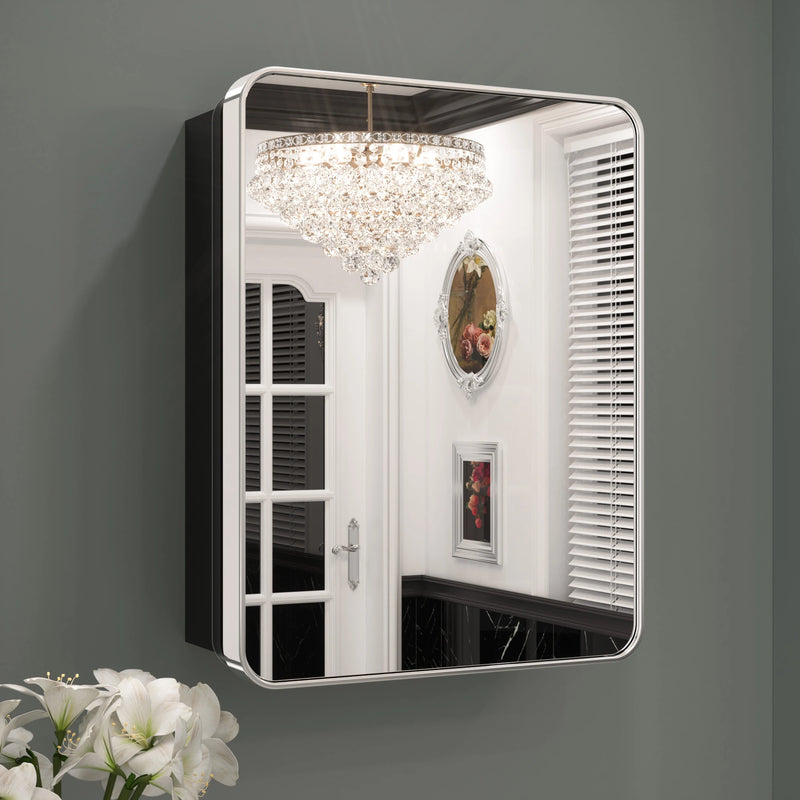
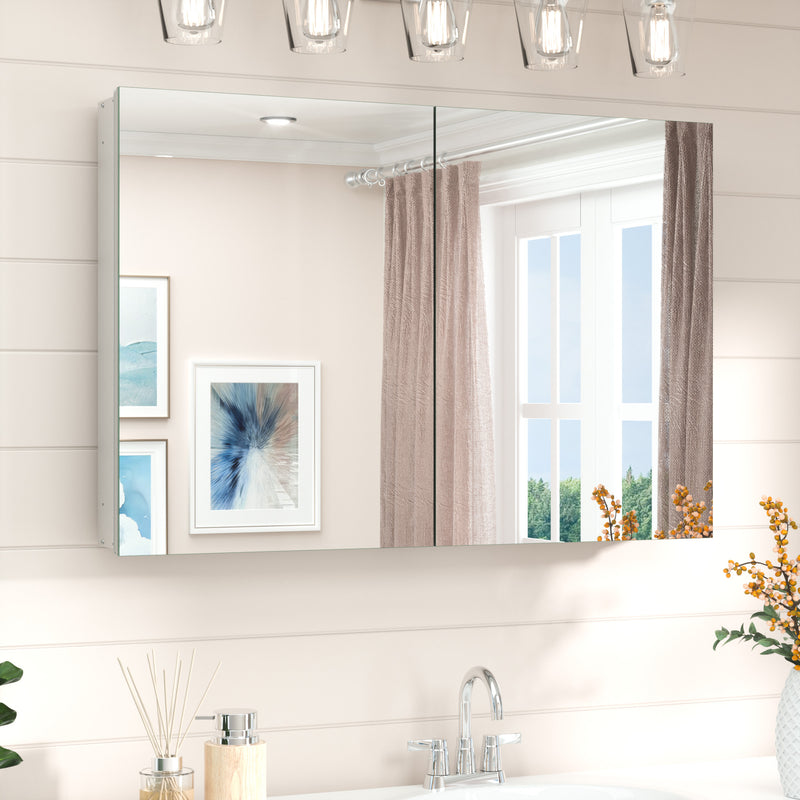
Recessed & Dual-Mount Medicine Cabinets
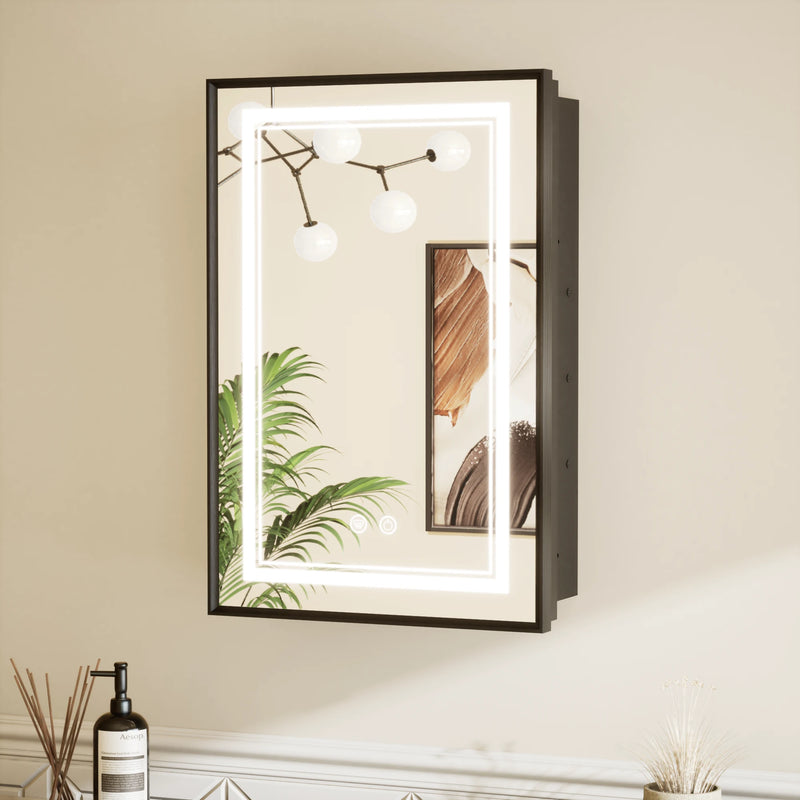
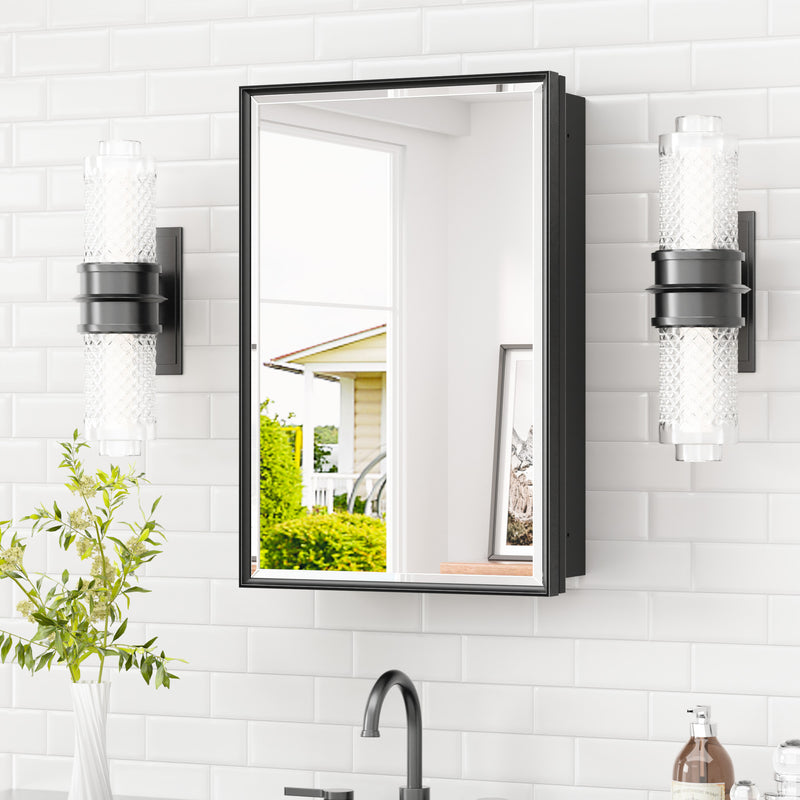
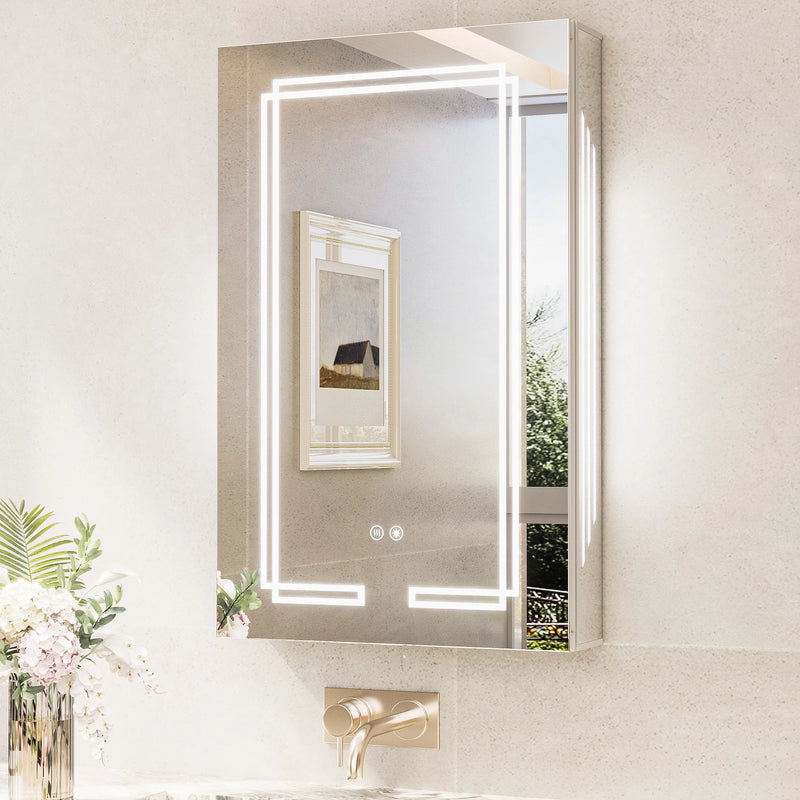
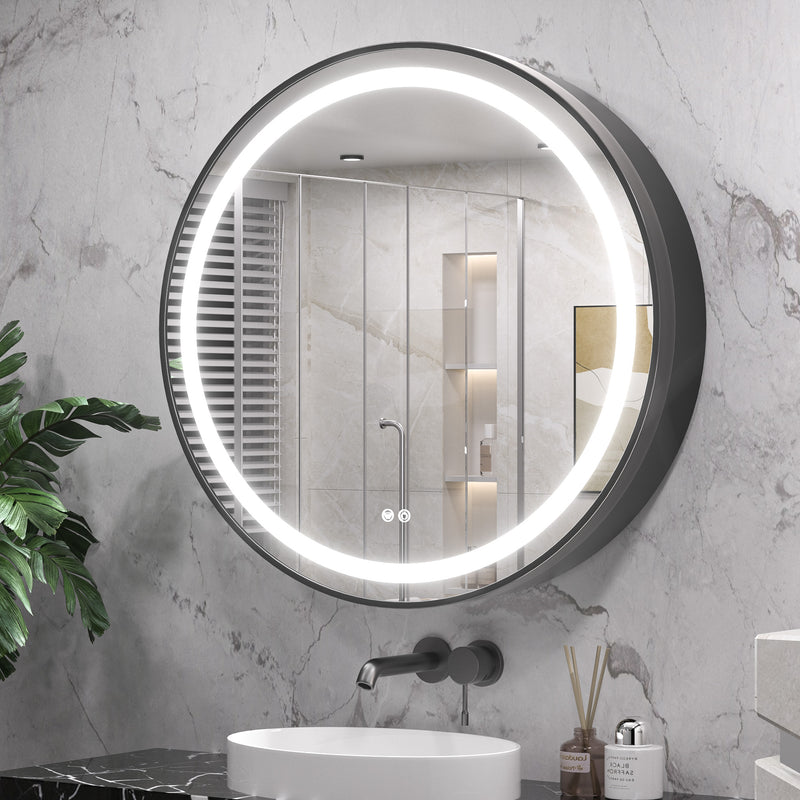
Surface-Mount Medicine Cabinets
Measure Twice, Mount Once
Whichever mounting style fits your bathroom, the fix for almost every mistake above is the same: confirm your wall type, rough opening, and clearances before a single screw goes in.