What Causes Bathroom Mirror Fog?
If you've ever stepped out of a hot shower only to find your mirror completely opaque, you've experienced one of the most common — and most frustrating — bathroom phenomena. But what's actually happening?
The science is simpler than you think: condensation. When hot, moisture-laden air from your shower meets the cooler surface of your mirror, the water vapor in the air rapidly cools and changes from a gas back into liquid form. Those tiny water droplets are what create the fog.
• Water temperature — hotter showers produce more steam
• Room temperature — colder mirrors = more condensation
• Ventilation — poor airflow traps humid air against the glass
• Humidity level — already-humid bathrooms fog faster
• Mirror temperature — cold glass surfaces accelerate condensation

5 Ways to Stop Your Mirror From Fogging
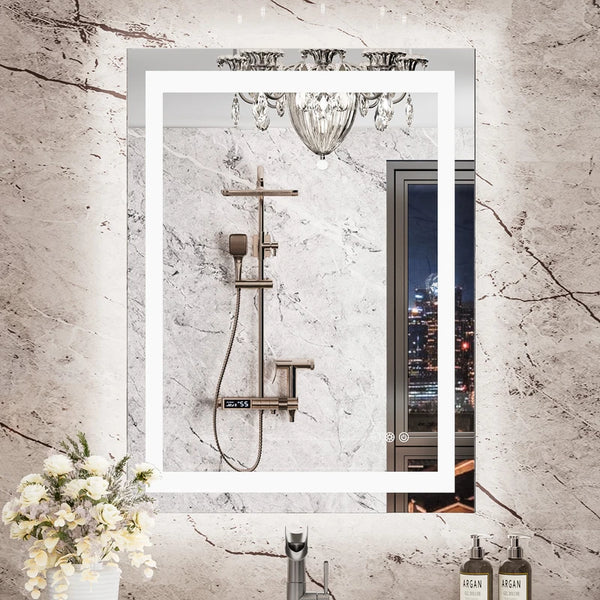
1. Anti-Fog LED Bathroom Mirrors
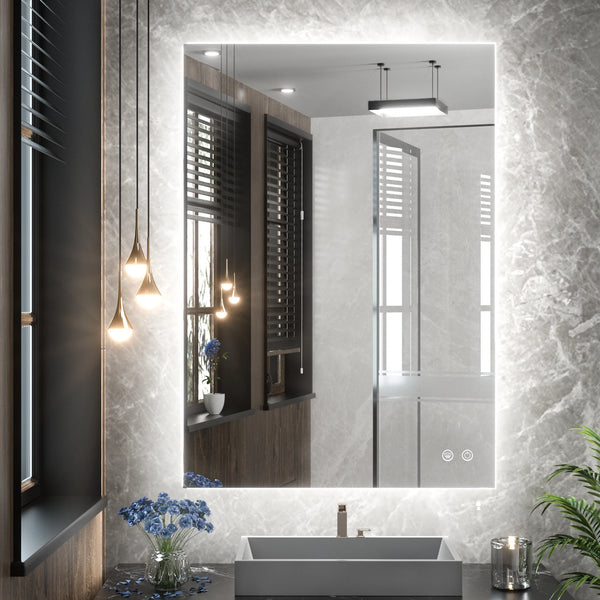
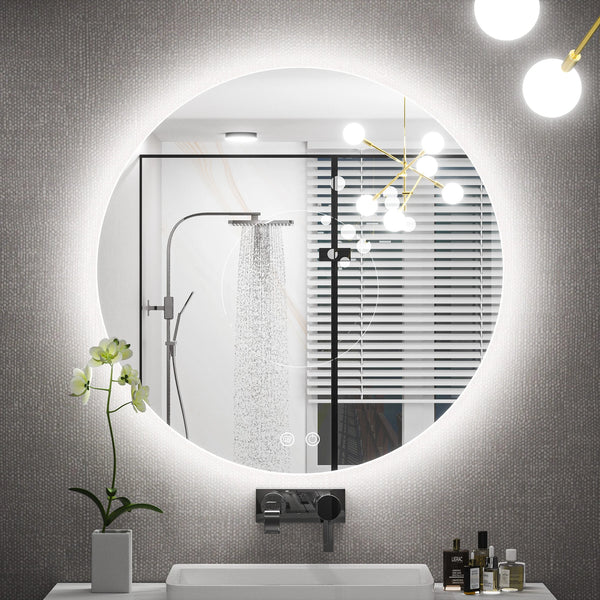
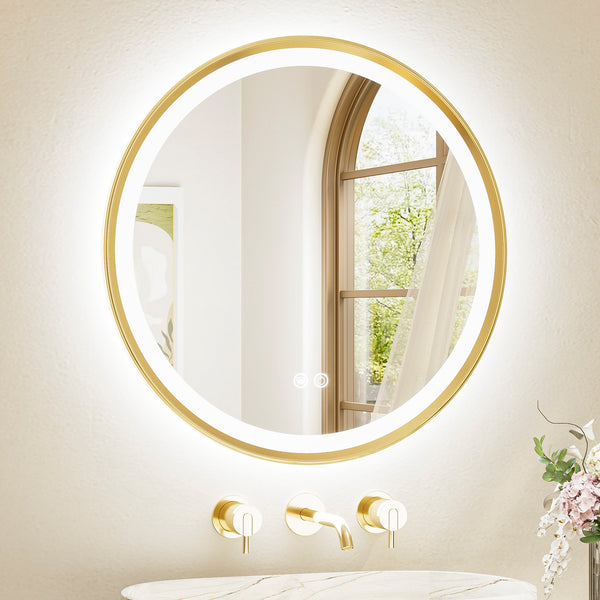
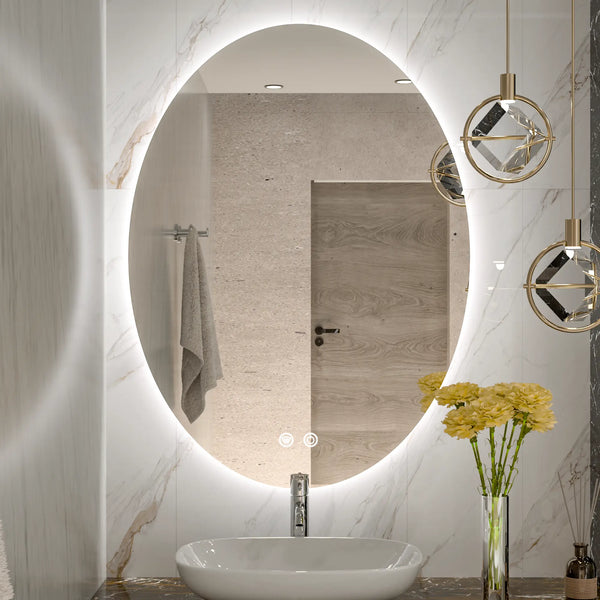
The most effective long-term solution. Modern LED bathroom mirrors come with an integrated anti-fog pad that gently heats the mirror surface to match the room temperature, preventing condensation from forming. Just flip a switch — the mirror stays clear through your entire shower and for minutes afterward.
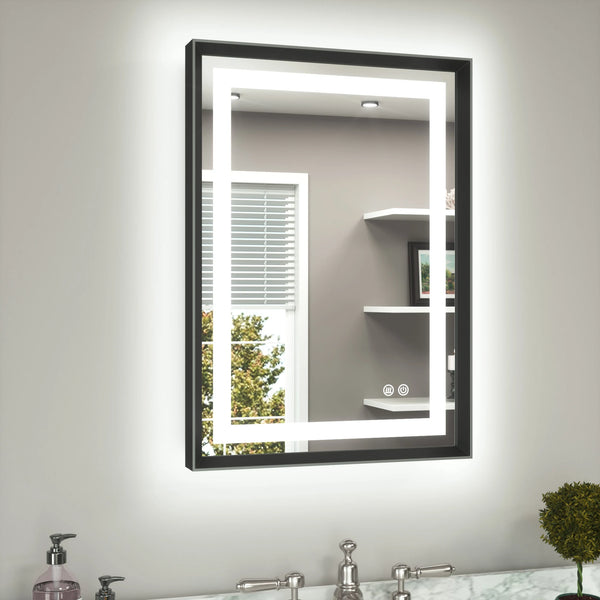
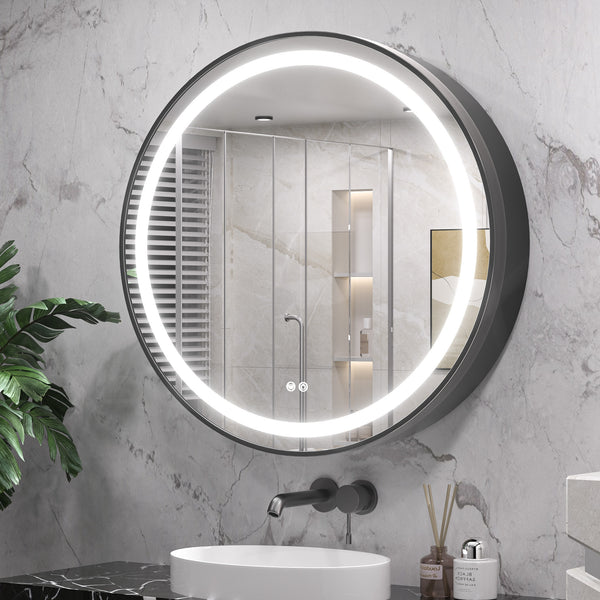
2. LED Medicine Cabinets with Anti-Fog Mirrors
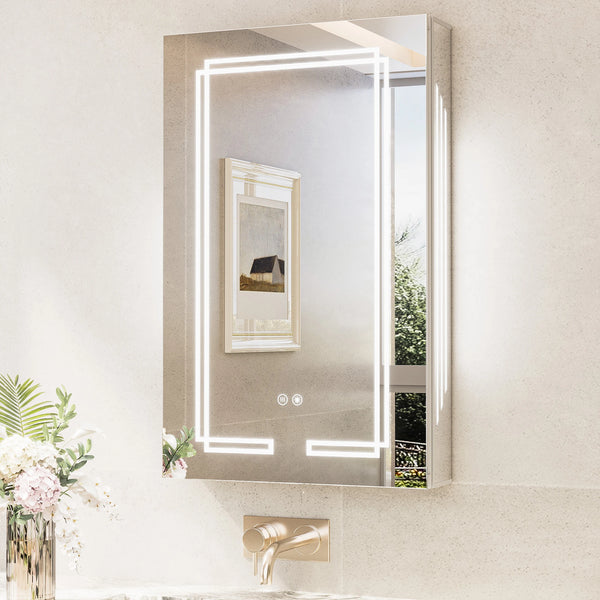
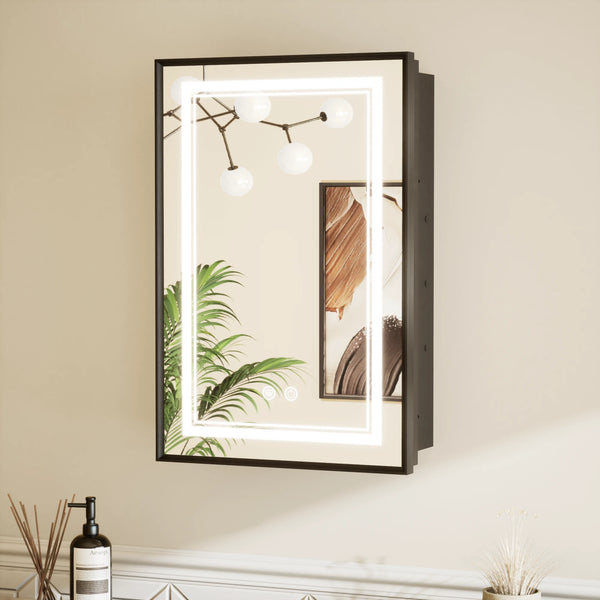
For bathrooms where storage matters as much as a clear reflection, LED medicine cabinets combine anti-fog mirror technology with built-in lighting and storage. The anti-fog function works the same way — a heated pad behind the glass — while the cabinet keeps toiletries organized and accessible.
3. Improve Bathroom Ventilation
A good exhaust fan removes humid air before it can settle on the mirror. Run the fan during and for 15 minutes after your shower. If you don't have a fan, cracking a window helps — but it's rarely enough on its own.
4. Traditional Anti-Fog Sprays & Wipes
These create a thin hydrophilic film that prevents water droplets from forming. They work, but they need to be reapplied regularly (every few days to weekly). A good temporary solution, but not a set-and-forget fix.
5. The Shaving Cream Trick
An old internet hack: apply a thin layer of shaving cream to the mirror, let it sit for 30 seconds, then buff it off with a dry cloth. The surfactants in the cream leave a residue that repels water. It works for about a week, but it's messy and less reliable than a proper anti-fog mirror.
Why Anti-Fog Mirrors Work Better
An anti-fog mirror doesn't just resist fog — it actively prevents it. A thin heating element bonded to the back of the glass warms the surface to just above the dew point of the room. Since the mirror stays warmer than the surrounding air, moisture can't condense on it.
LED bathroom mirrors take this a step further: the LED lighting generates a small amount of heat, and combined with the anti-fog pad, keeps the glass clear even during long, steamy showers. Many models also offer 3-color temperature control (3000K warm / 4000K natural / 6000K cool) and dimmable brightness — so you get perfect lighting for makeup, shaving, or skincare, plus a fog-free reflection.