Full Introduction to Tempered Glass Medicine Cabinets: Benefits, Features, and Buying Guide
Introduction to Tempered Glass Medicine Cabinets: Benefits, Features, and Buying Guide
Everything you need to know before choosing a tempered glass medicine cabinet for your bathroom — from how the glass is made to which features actually matter.
Table of Contents
- Introduction
- What Is a Tempered Glass Medicine Cabinet?
- Benefits of Tempered Glass Medicine Cabinets
- Types of Tempered Glass Medicine Cabinets
- Key Features to Consider
- Materials Used
- Common Sizes and Dimensions
- Installation Guide
- Maintenance Tips
- Tempered Glass vs. Regular Glass
- Buying Guide
- Common Mistakes to Avoid
- FAQs
- Conclusion
1. Introduction
A tempered glass medicine cabinet is a wall-mounted bathroom storage unit built around a mirrored door made from heat-treated safety glass, rather than standard annealed glass. Because tempered glass is engineered to resist breakage and, if it ever does fail, to crumble into small, blunt fragments instead of jagged shards, it has quickly become the standard choice for modern bathroom mirror cabinets.
Over the past decade, the tempered glass medicine cabinet has moved from a purely functional afterthought to a centerpiece of bathroom design. Homeowners renovating a primary bath or a small powder room increasingly look for a bathroom mirror cabinet that combines safety, durability, everyday functionality, and a clean, modern look — all in one fixture.
In this guide, you'll learn exactly what makes tempered glass different from regular glass, the main types of medicine cabinets available (surface-mounted, recessed, frameless, and framed), the features worth prioritizing, typical sizes, installation basics, and a straightforward buying guide to help you choose the right tempered glass mirror cabinet for your space.

2. What Is a Tempered Glass Medicine Cabinet?
Tempered glass is ordinary glass that has been treated with an extreme heating-and-rapid-cooling process. This process puts the outer surfaces of the glass into compression while the interior remains in tension, which makes the finished panel roughly four to five times stronger than an untreated pane of the same thickness. When tempered glass does break under enough force, it doesn't splinter into long, sharp shards the way regular glass does — instead, it fractures into small, relatively blunt pieces, which is why it's classified as a safety glass.
A typical tempered glass medicine cabinet is made up of a few core components: a mirrored tempered glass door (often copper-free to resist black-edge corrosion), a metal or engineered-wood cabinet box, one or more adjustable interior shelves, door hinges (frequently soft-close), and mounting hardware for either recessed or surface installation. Many modern cabinets also add LED lighting, anti-fog defoggers, or built-in electrical outlets around that core structure.
You'll find tempered glass medicine cabinets in almost every kind of bathroom setting — primary suites, guest bathrooms, powder rooms, and increasingly in commercial settings like gyms, spas, and boutique hotels, where the combination of durability and a polished look matters just as much as it does at home.
3. Benefits of Tempered Glass Medicine Cabinets
Safety
The biggest advantage of tempered glass is how it behaves under stress. Rather than shattering into dangerous shards, it breaks into small, granular, relatively dull pieces — a meaningful safety difference in a room where wet floors and hard surfaces already raise the risk of accidents.
Durability
Tempered glass mirror cabinets hold up well to the daily bumps, door swings, and general wear of bathroom use. The glass itself resists impact far better than standard glass, and quality cabinet frames are built to handle the humidity and moisture exposure that bathrooms create day after day.
Modern Appearance
A tempered glass medicine cabinet tends to have a clean, minimalist silhouette that fits naturally into almost any bathroom style — from a frameless contemporary look to a more traditional framed design in brushed nickel, black, or gold.
Easy Maintenance
Tempered glass surfaces are simple to wipe down, and depending on the finish, many models resist staining and light scratching better than standard mirror glass, which keeps the cabinet looking new with minimal upkeep.
4. Types of Tempered Glass Medicine Cabinets
Surface-Mounted
A surface mount medicine cabinet attaches directly to the face of the wall rather than being set into it. Installation is faster and doesn't require cutting into drywall, which makes this the best option for renters, retrofits, or anyone who wants to avoid disturbing plumbing or wiring behind the wall.
Recessed
A recessed medicine cabinet sits inside the wall cavity for a flush, built-in appearance. It takes more installation work upfront — cutting an opening and framing the cavity — but the payoff is a streamlined look that doesn't protrude into the room, which is especially valuable in smaller bathrooms.
Frameless
A frameless medicine cabinet uses tempered glass edge-to-edge with no visible metal or wood border, giving it a sleek, contemporary aesthetic. Because there's no frame to trap grime, frameless designs are also generally easier to clean.
Framed
A framed medicine cabinet adds a visible border in aluminum, stainless steel, or another metal finish. Beyond the added structural support around the glass, the frame becomes a design element in its own right, available in finishes like matte black, brushed nickel, chrome, and gold.
5. Key Features to Consider
- Mirror quality — look for high-definition, distortion-free reflection and a copper-free backing to resist corrosion over time.
- Glass thickness — thicker tempered glass (commonly 4mm-5mm) generally offers better durability and a more substantial feel.
- Adjustable shelves — interior shelves that move or detach let you customize storage for bottles, first-aid supplies, and grooming tools of different heights.
- Soft-close hinges — prevent slamming, reduce noise, and add a higher-end feel to daily use.
- LED lighting — an LED medicine cabinet brings built-in front-lit or backlit illumination for grooming and makeup application.
- Anti-fog mirror — an anti-fog medicine cabinet uses a defogger pad to clear condensation quickly after a hot shower.
- Interior mirrors — mirrored interiors and cabinet backs add extra reflection and make the inside of the cabinet feel more premium.
- Electrical outlets and USB charging — built-in power lets you charge electric toothbrushes, razors, or styling tools without cluttering the counter.
- Lockable doors — useful in households with young children or when storing medications.
- Moisture-resistant construction — rust-resistant hardware and sealed cabinet bodies extend the lifespan of the unit in a humid bathroom environment.
6. Materials Used
- Tempered glass — the mirrored door and sometimes the interior shelves.
- Aluminum frames — lightweight, rust-resistant, and common on both framed and recessed cabinets.
- Stainless steel — a heavier-duty option known for corrosion resistance and a polished or brushed finish.
- MDF or plywood — sometimes used for the cabinet body on budget-friendly or non-metal models, typically sealed or laminated for moisture resistance.
- Copper-free mirrors — reduce the risk of the black edge corrosion that can develop on standard silvered mirrors over time in humid rooms.
- Rust-resistant hardware — hinges, screws, and mounting brackets designed to hold up in a consistently damp environment.
7. Common Sizes and Dimensions
Bathroom medicine cabinets are generally sold by width x height, with a handful of common depth options. Typical widths range from around 16 inches for a compact powder-room cabinet up to 48 inches or more for a double-vanity installation, while heights commonly run from 20 to 36 inches. Standard depths for surface-mount cabinets are usually 4-5 inches, while recessed models are built shallower to fit inside a standard wall cavity.
To choose the right size, start with your vanity or sink width: as a rule of thumb, a medicine cabinet that's roughly the same width as your sink (or slightly narrower) will look proportional. Round and oval cabinets are typically sized by diameter, commonly from 20 to 30 inches, and work well over pedestal sinks or in smaller powder rooms where a rectangular cabinet would feel too heavy for the space.
8. Installation Guide
Surface Mount Installation
Surface mount medicine cabinets are generally the easier of the two installation types. Basic steps include locating wall studs (or using appropriate anchors), marking and leveling the mounting bracket, securing the bracket to the wall, and hanging the cabinet onto it. Tools typically needed include a stud finder, level, drill, and screwdriver.
Recessed Installation
Recessed installation requires more wall preparation: cutting an opening in the drywall between studs, checking for plumbing or electrical lines behind the wall, framing the cavity if needed, and securing the cabinet flush with the wall surface. Because this involves cutting into the wall and potentially working near wiring or plumbing, many homeowners choose professional installation for recessed units, while surface-mount cabinets are more commonly tackled as a DIY project.
9. Maintenance Tips
- Cleaning tempered glass — use a soft microfiber cloth with a mild glass cleaner or a vinegar-water solution to avoid streaking.
- Preventing water spots — wipe the glass dry after showers rather than letting water air-dry on the surface.
- Checking hinges and hardware — periodically inspect hinges, shelf clips, and mounting hardware for looseness or early signs of rust.
- Avoiding abrasive cleaners — steer clear of abrasive powders or rough scrubbing pads, which can dull the glass surface or damage frame finishes over time.
10. Tempered Glass vs. Regular Glass Medicine Cabinets
| Feature | Tempered Glass | Regular Glass |
|---|---|---|
| Safety | Excellent | Lower |
| Strength | High | Moderate |
| Heat Resistance | High | Lower |
| Durability | Excellent | Average |
| Cost | Higher | Lower |
The trade-off is straightforward: tempered glass costs somewhat more up front, but the added safety, strength, and durability make it the better long-term choice for a fixture that lives in a high-moisture, high-traffic part of the home.
11. Buying Guide
- Budget considerations — decide on a price range before browsing; features like LED lighting and built-in outlets add cost but also long-term convenience.
- Bathroom size — measure your available wall space and vanity width before choosing a cabinet size.
- Storage requirements — think through how many shelves you need and whether adjustable or removable shelving matters for your household.
- Mirror features — decide whether you want a simple mirror, an LED-lit mirror, or one with an anti-fog defogger.
- Lighting needs — front-lit, backlit, or dual lighting each serve different grooming and ambience purposes.
- Brand reputation — look for established brands with clear warranty terms and responsive customer support.
- Warranty — check coverage length and what it includes, especially for electrical components like LEDs and defoggers.
- Installation requirements — confirm whether your bathroom wall can accommodate a recessed cabinet or if surface mount is the more practical choice.
12. Common Mistakes to Avoid
- Choosing the wrong size — a cabinet that's too wide or narrow for your vanity throws off the whole bathroom's proportions.
- Ignoring wall structure — failing to check for plumbing, wiring, or insufficient stud spacing before a recessed installation can cause costly problems.
- Overlooking storage capacity — a cabinet that looks great but doesn't hold your actual bathroom essentials will feel like a downgrade fast.
- Buying non-certified glass — always confirm the mirror is genuine tempered safety glass, not standard glass marketed loosely as "safety glass."
- Forgetting moisture resistance — a cabinet frame or backing that isn't built for humidity can warp, rust, or develop mold over time.
13. Frequently Asked Questions
Is tempered glass safer than regular glass?
Yes. Tempered glass is heat-treated to be far stronger than regular glass, and if it does break, it fragments into small, blunt pieces rather than sharp shards, making it a recognized safety glass standard.
How long do tempered glass medicine cabinets last?
With proper care, a quality tempered glass medicine cabinet can last well over a decade. Longevity depends largely on the cabinet frame's moisture resistance and the quality of hardware like hinges and mounting brackets.
Can tempered glass break?
Yes, tempered glass can still break under enough force, but it's significantly more resistant to impact than standard glass and breaks in a much safer pattern when it does fail.
Are LED medicine cabinets worth it?
For most bathrooms, yes — an LED medicine cabinet combines storage with built-in task lighting, often with adjustable color temperature and anti-fog features, reducing the need for separate vanity lighting.
Can I install one myself?
Surface mount medicine cabinets are generally straightforward enough for a confident DIYer. Recessed installations, which involve cutting into the wall, are often better suited to a professional, especially if plumbing or wiring may be nearby.
How do I clean tempered glass?
Use a soft microfiber cloth with a mild glass cleaner or a diluted vinegar solution, wipe the glass dry to avoid water spots, and avoid abrasive cleaners or scouring pads that can dull the surface.
14. Conclusion
A tempered glass medicine cabinet brings together safety, durability, everyday functionality, and a modern look in a single bathroom fixture. Whether you choose a surface-mounted or recessed model, a frameless or framed design, the right combination of size, storage, and features can make it one of the most useful upgrades in the room.
When you're ready to buy, prioritize certified tempered glass, confirm the cabinet fits both your wall structure and your storage needs, and treat features like adjustable shelves, soft-close hinges, and anti-fog mirrors as long-term value rather than optional extras. A well-chosen tempered glass mirror cabinet should serve your bathroom reliably for many years to come.
Shop Tempered Glass Medicine Cabinets
Every model below uses genuine tempered safety glass, with adjustable or detachable interior shelving and full size charts.
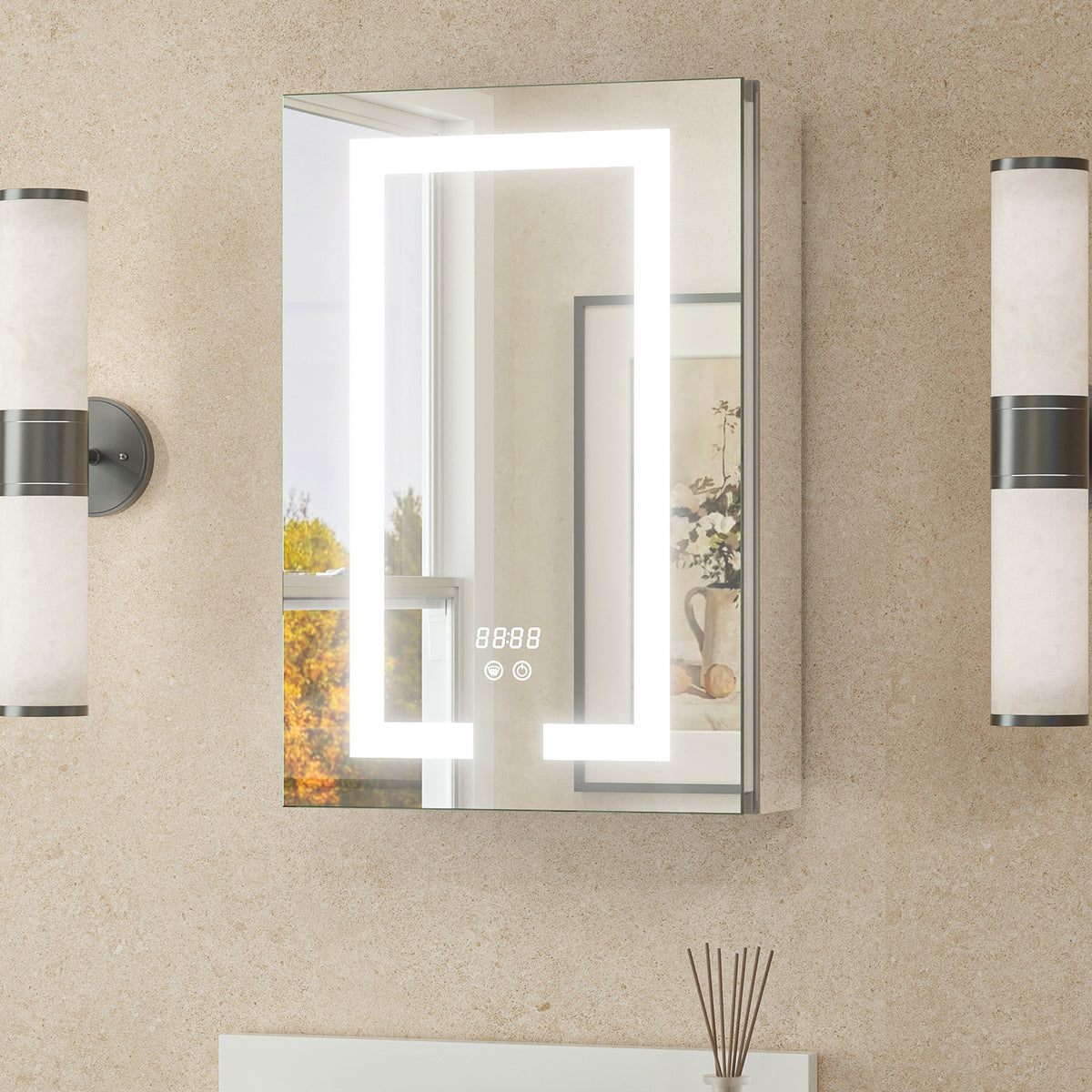
Dual-Lit Tempered Glass LED Medicine Cabinet
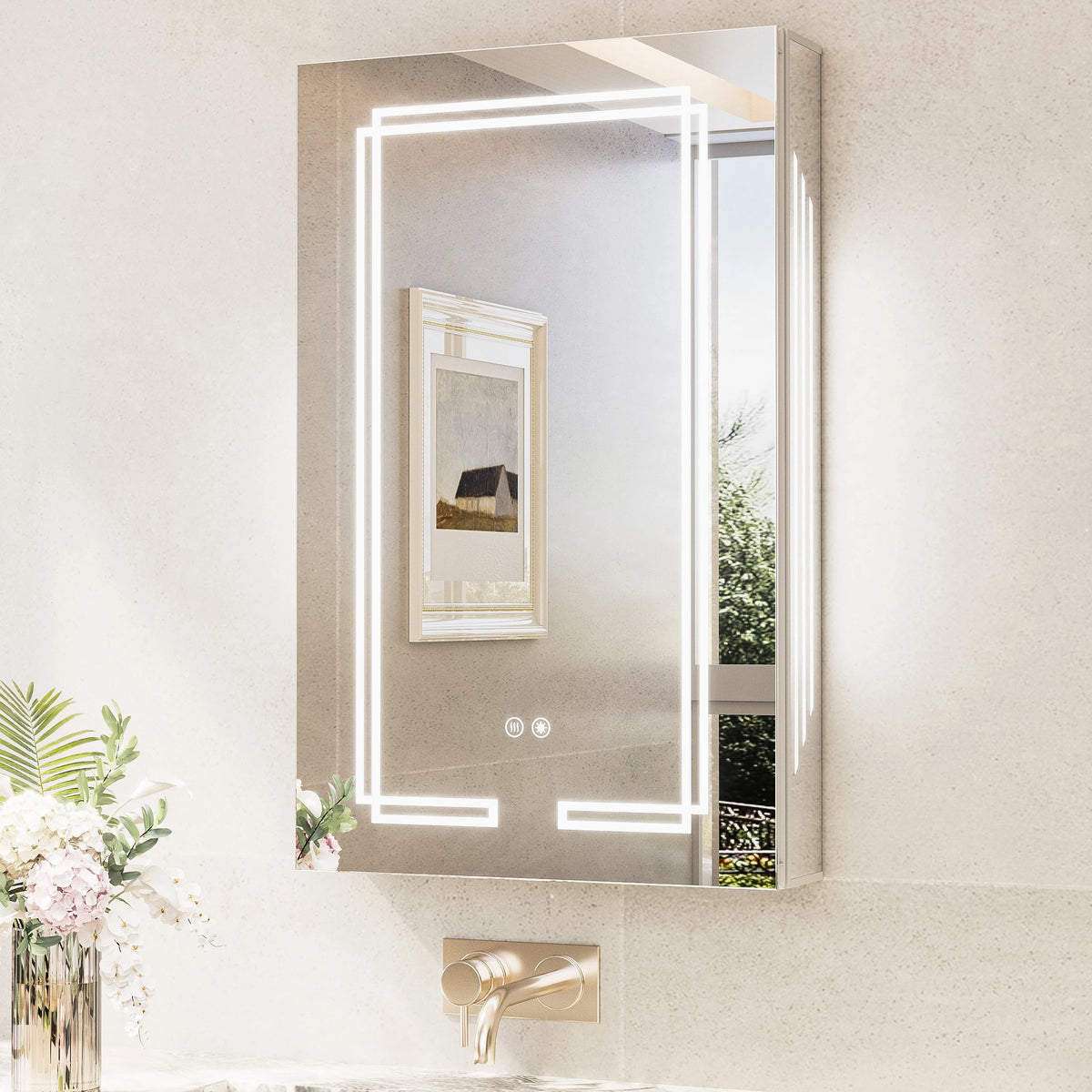
Trio-Lit Tempered Glass LED Medicine Cabinet
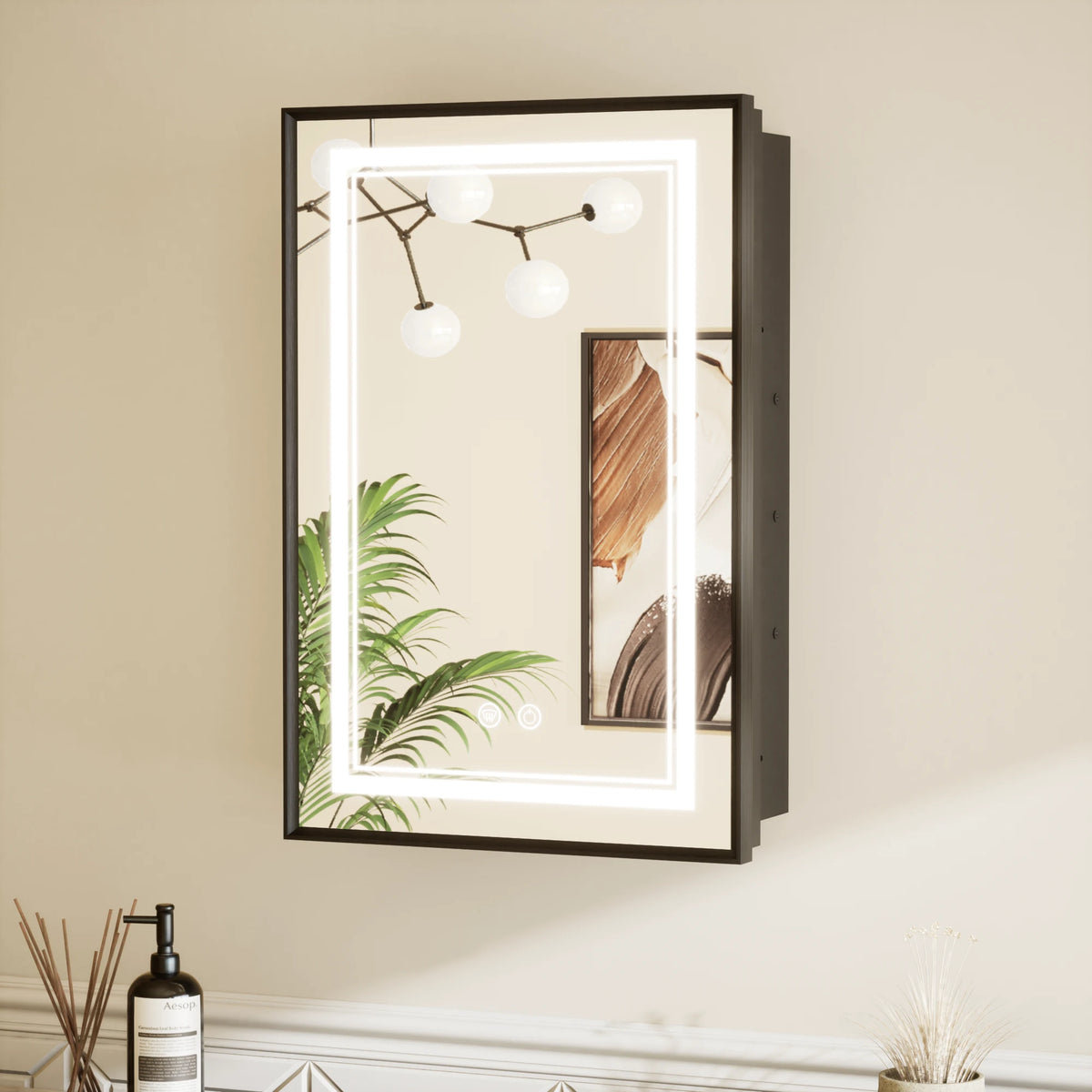
Tempered Glass Framed LED Medicine Cabinet
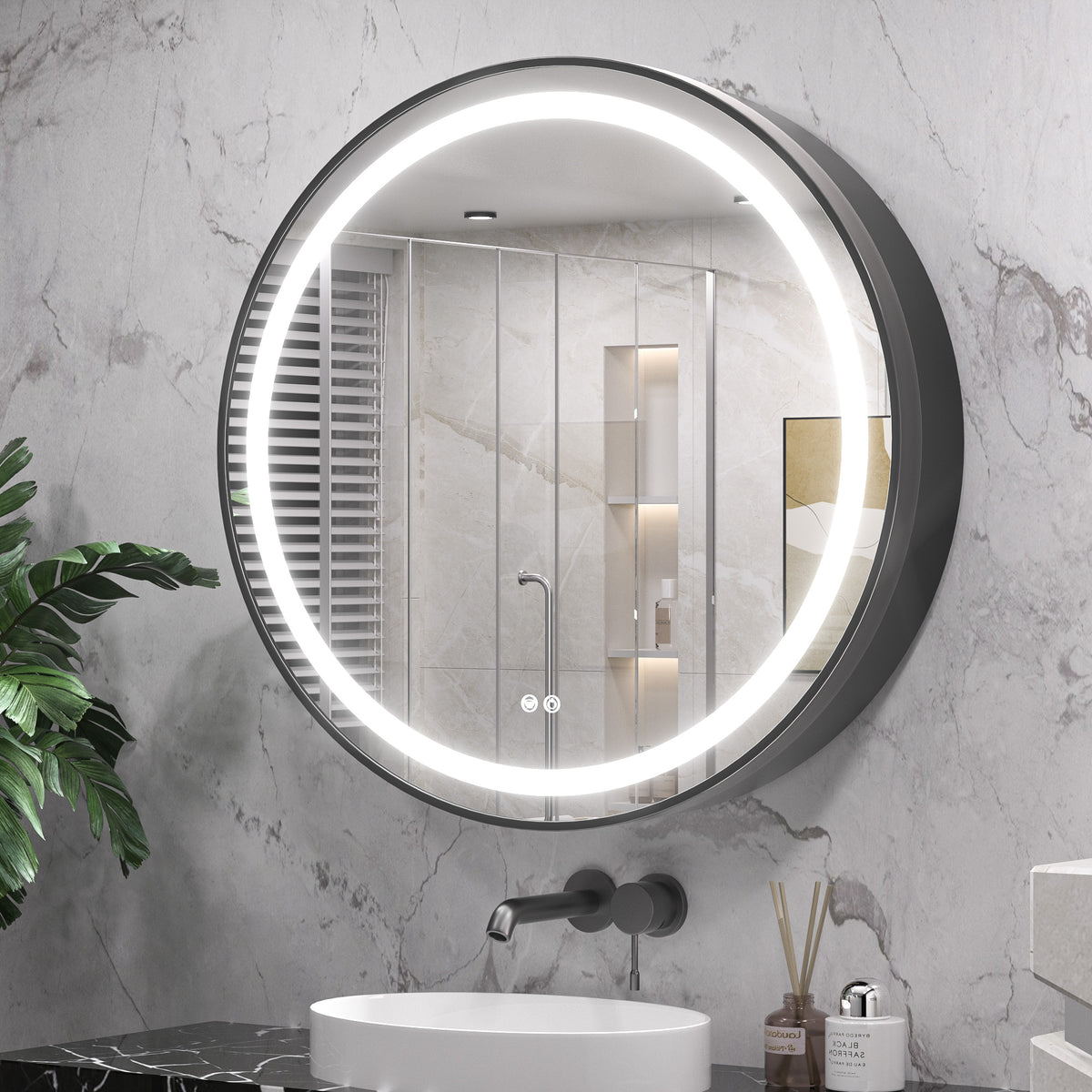
Round Tempered Glass LED Medicine Cabinet, Metal Framed
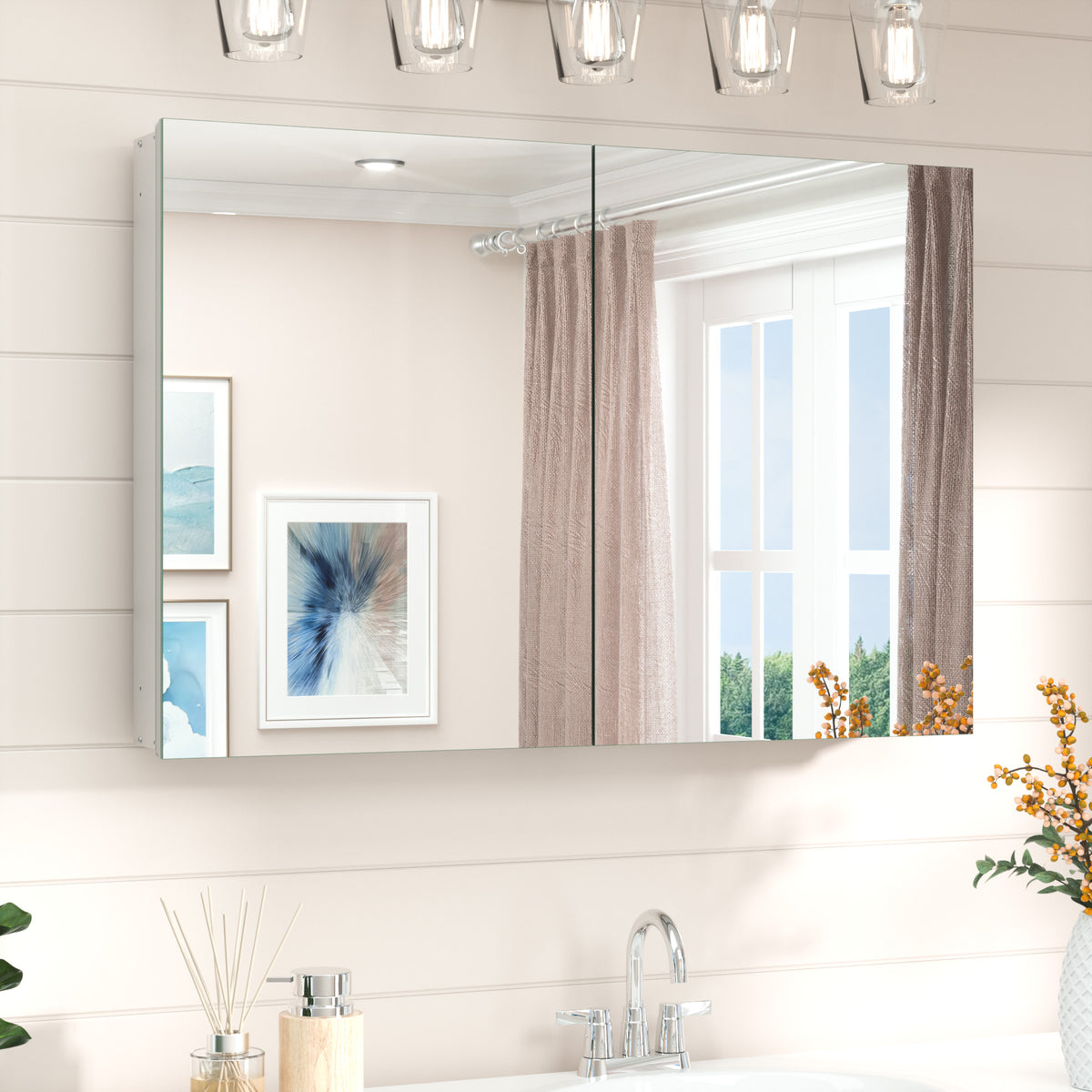
Lightweight Rectangular Tempered Glass Medicine Cabinet
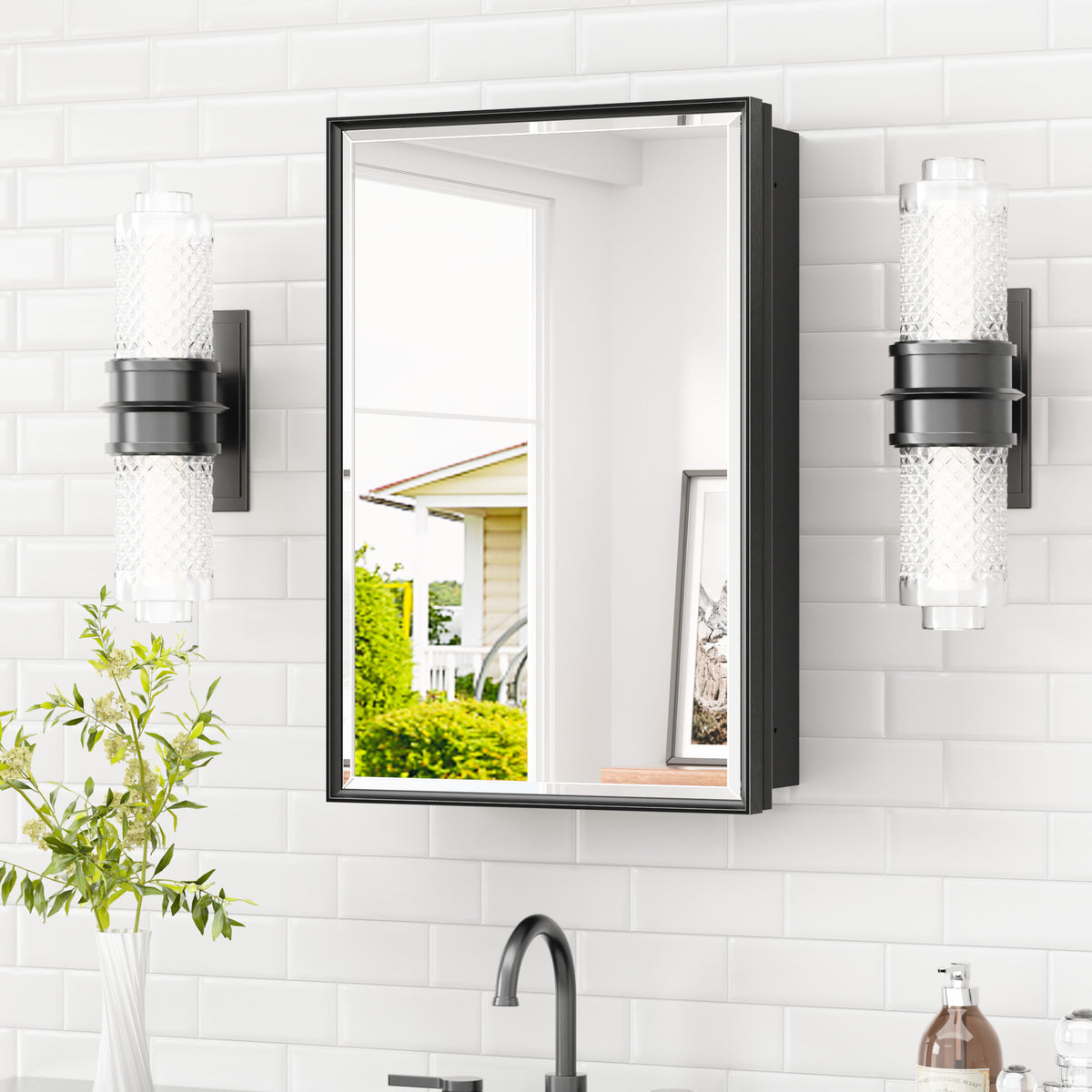
Beveled Tempered Glass Medicine Cabinet with Mirror
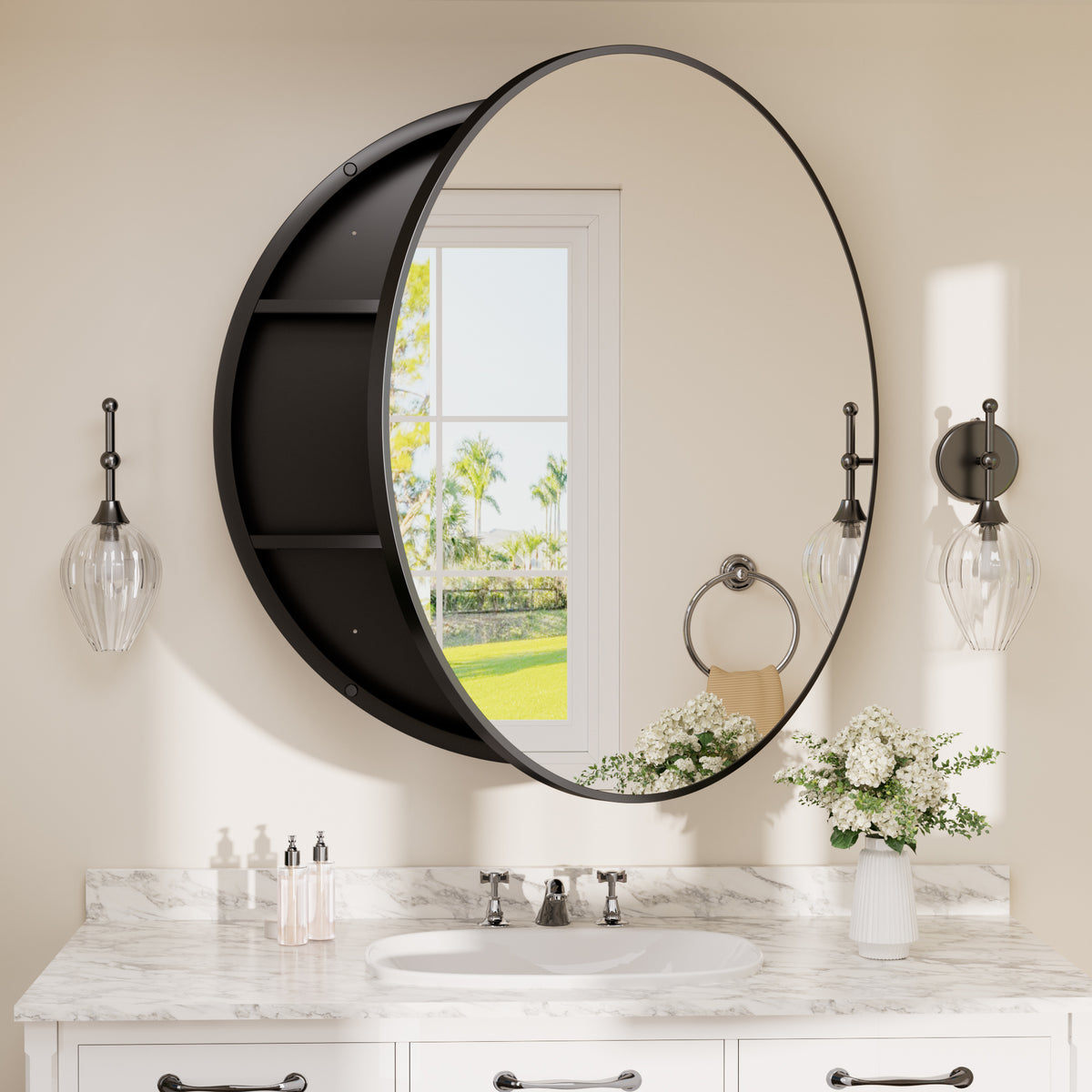
Round Tempered Glass Medicine Cabinet, Surface Mount
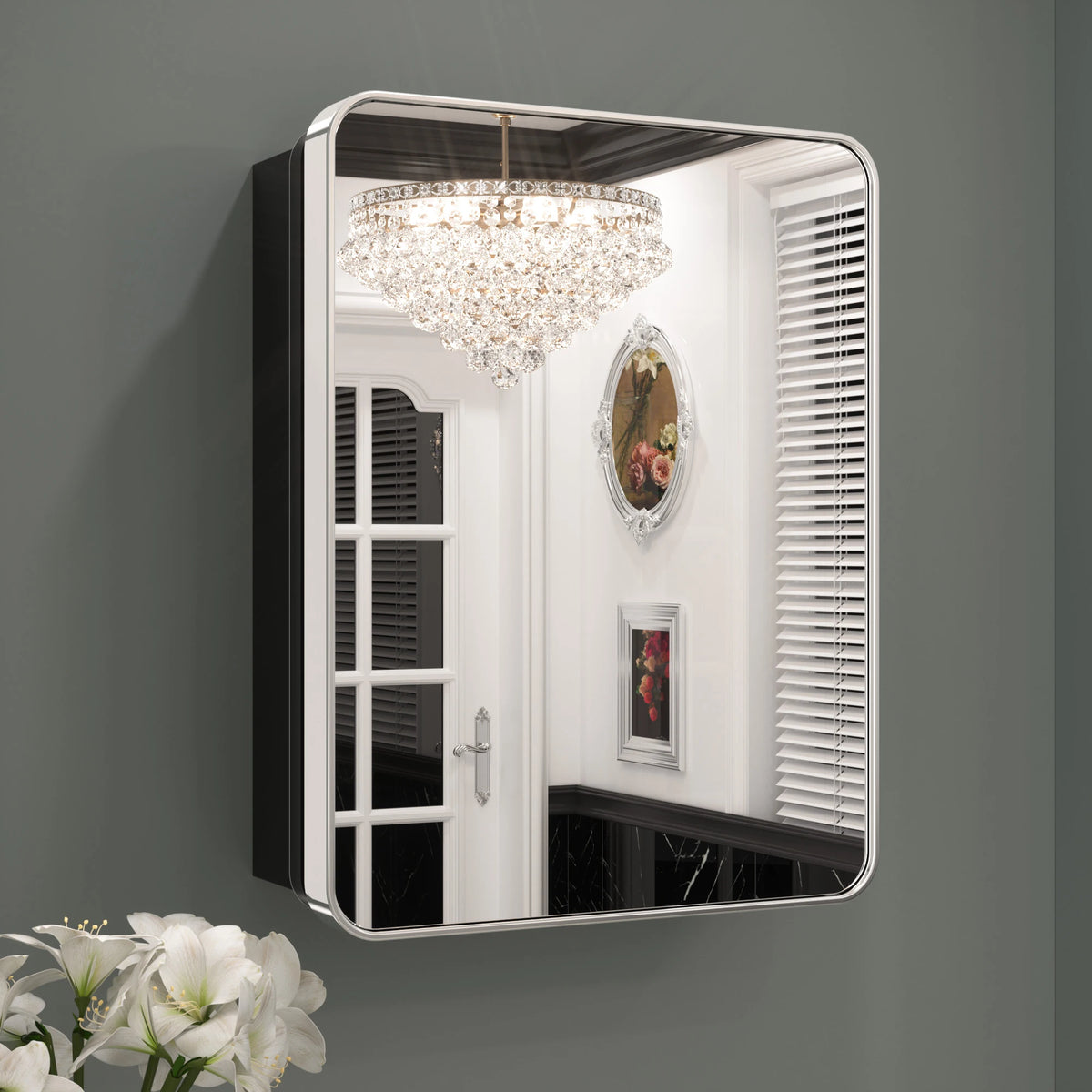
Stainless Steel Framed Tempered Glass Medicine Cabinet
Browse the Full Tempered Glass Medicine Cabinet Collection
All cabinets ship free from 16+ US warehouses in 3-5 days.
View All Medicine Cabinets →